
heiter magazine

inspiring you to live & style your life so that it feels good

  • SHOP
    • ALL
    • MAGAZINE
    • EVENTS
    • COMMUNITY
    • RESOURCES
  • BLOG
    • LATEST POSTS
    • DAILY JOY
    • FASHION
    • LIVING
    • RECIPES
    • TRAVEL
    • INTERVIEWS
    • PARENTING
    • BUSINESS
    • DIY
  • MEMBERSHIP
  • EVENTS
  • ABOUT

Words by Kornelia Pawlukowska-Dible, Hastate Design. Images by Andrea Marvan, Mondegreen Studio.

How to look after your garden in late summer, and how it benefits your well-being too!

August 06, 2025 by Katharina Geissler-Evans in Lifestyle, Well-being

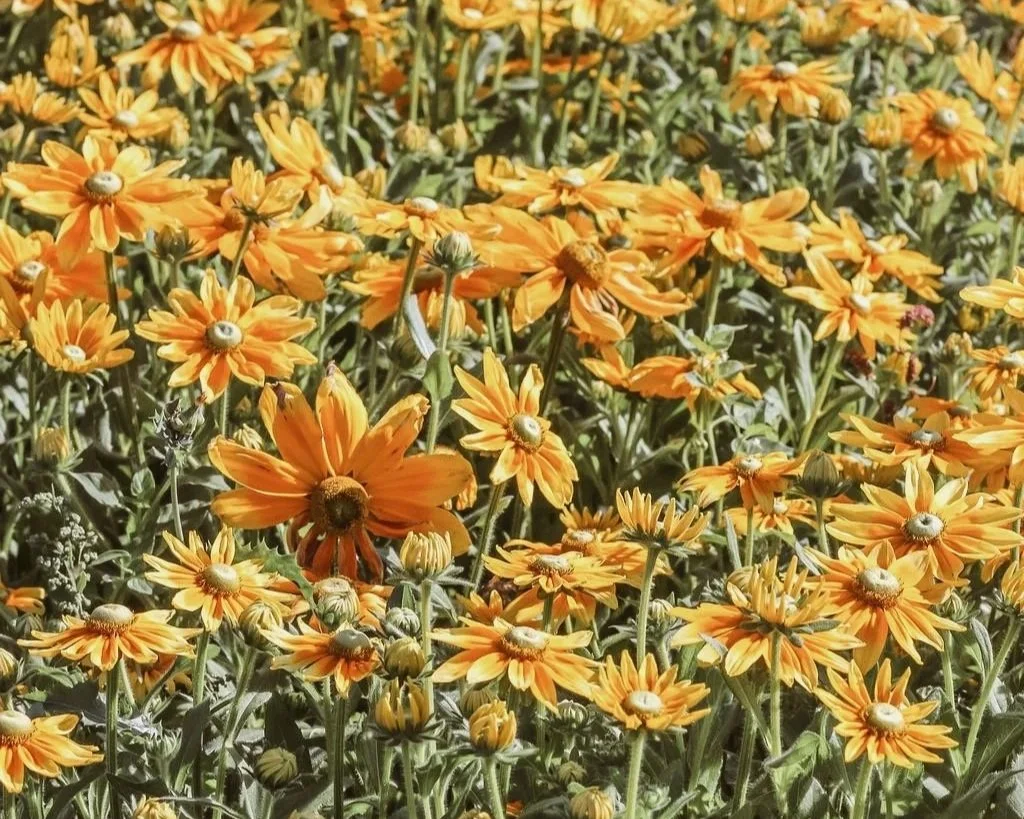
As summer progresses, we may start to notice that the vibrant colours from the flowers in our gardens slowly begin to diminish.

In August we can see that most of the blooms start to look a bit tired, and some simply fade and disappear.  This is a natural process. Gardens, exhausted after producing colourful delights of flowers, begin to look a bit quieter. Now the patterns and shapes of foliage start to become more visible and pronounced.  

Even though our gardens look more subdued, there are still a number of tasks to be carried out in summer that could elevate their look:

If you want to extend the colour display in your summer garden, it is important to stay on top of the deadheading the spent blooms. Plants, like for example roses, when deadheaded regularly, will reward you with a new display of flowers. It is worth noting, that if you have a variety of rose that makes attractive rose hips, then leave the old flowers on the rose, so it has time to develop into a fruit. Red or orange rose hips will make your garden look more attractive during winter months.

Herbaceous perennials can be cut back in summer so they produce fresh, healthy foliage. This practice will not only improve the overall look of your summer garden, making it a bit tidier, but will also encourage the plants to generate another display of flowers. 

During prolonged dry spells, you might need to water your garden. The best time to water is in the evening or very early in the morning, before the sun comes out and the heat increases. Remember to water your plants directly into the soil around the plant base, not on the foliage, to avoid sun burn. 

When it rains, make sure you have some buckets placed around your garden to collect and store rainwater, as it is a precious resource. 

Also, you might want to consider adding more drought tolerant plants into your garden, reducing the need for constant watering. Some of the drought tolerant plants that will grow well in a sunny garden border are: Santolina, Phlomis, Artemisia, Nepeta, and lavender. Consider herbs like thyme, rosemary or salvia, which will fill your garden with warm, southern scents.

Weeding is one of those tasks in a garden that needs to be done on a regular basis, especially when the weather is warm and humid. If you would like to limit the time spent in your garden weeding, have a look at the density of plants in your garden. If there are big gaps between individual plants, add more plants to create a higher density of planting, this approach limits the chance for weeds to grow. 

With some gentle gardening a late summer garden can be renewed and boosted with life and colour. 


“…seeing green leaves makes us calmer, happier, more focused and more creative.”


Gardening is one of those activities that greatly benefits not only our physical health, as it requires our bodies to lift, squat and stretch multiple times. It also has a very positive impact on our mental well-being. Simply put, gardening is a great activity for both our bodies and souls. 

In her book, Good Nature: The New Science of How Nature Improves Our Health, Kathy Willis points us to a number of studies showcasing the impact plants and in particular colour green has on our well-being. There is mounting evidence that just seeing green leaves makes us calmer, happier, more focused and more creative.   

Moreover, gardening teaches us to be more attuned with nature and its cycles, through listening, observing, touching and smelling. As the seasons change, we gain knowledge on the complexities of life and its processes. And to experience all of this we don’t have to live in a cabin in the woods for two years, like David Thoreau, a well-known naturalist and philosopher, we can simply use gardening as our way of connecting with nature and to reflect.

With time spent gardening we build our confidence. We are not afraid that we will do something wrong – we learn with enthusiasm and correct our mistakes as we progress. We become a patient witness to the changes in our garden, which becomes our teacher that guides us gently as we move through the seasons.

Even though there are numerous tasks still to be performed in our gardens this summer, we should never forget how good it is for our “Heiterkeit”.

Kornelia Pawlukowska-Dible, the founder of Hastate Design, has a background in history, art curation and illustration. Her love of learning led her to study horticulture at the SRUC in Edinburgh, where she developed a keen interest in planting design. Kornelia discovered that planting design is a great medium to express herartistic side as well as allowing for constant learning and knowledge development. This encouraged her to create Hastate Design, a planting design business with strong ethos and design principles.

Images by Andrea Marvan, @mondegreen_studio, www.mondegreen.ca

August 06, 2025 /Katharina Geissler-Evans
gardening, summer garden
Lifestyle, Well-being
1 Comment

Words & images by Sensory Travel

How to embrace conscious travel: insider tips that feel heiter

July 21, 2025 by Katharina Geissler-Evans in Heiter travel

Summer invites us to slow down and embrace a new rhythm marked by longer, warmer, and more peaceful days. Whether we spend this season relaxing by the ocean, traveling to distant places, or simply enjoying the art of 'Il dolce far niente' at home, summertime offers a great opportunity to find heiter moments that deepen our inner connection and help us stay grounded in the present—moments that often get overlooked the rest of the year.

From the need to embrace slowness and authentic experiences, conscious travel has emerged as a meaningful alternative for travelers seeking a more relaxed, enriching, and intentional way of exploring. Yet, conscious travel extends beyond personal pleasure, emphasizing the importance of supporting local communities and sustainable practices to minimize the environmental and social impacts of travel.  

Why is a new era of travel emerging?

As we become more aware of our environmental impact and more interested in cultural immersion, a different kind of travel is emerging where the focus is not just on where you go, but on how you experience it. 

We are entering a new era of travel that goes beyond ticking off destinations or hunting the next popular attraction, where the quality of our experiences matters more than the number of places we visit. 

Fostering an emotional connection to a destination and returning to the essence of travel by engaging our senses is crucial to creating more tangible, special, and memorable travel experiences worth treasuring forever.

Conscious travel tips so that your next trip aligns with your values and feels heiter

1. TRAVEL WITH A PURPOSE:

Select your destination based on your values and interests. Having a clear purpose adds a personal dimension to your trip. This opens up countless options for meaningful and quality travel experiences. 

Given that time and budget are often limited, and the environmental impact of travel is increasing, it’s wise to consider your motivations before planning your next adventure. This can help prevent aimless trips and encourage exploring off-the-beaten-path locations.

Nowadays, travel is about customizing your experiences that align with your preferences. Knowing your "why" will make your travels more conscious and enriching.

2. SUPPORT LOCAL COMMUNITIES:

Local communities are at the heart of sustainable and responsible travel. Beyond investing in the local economy, conscious travel supports the preservation of the community's traditions and heritage while promoting cultural awareness.

There are many meaningful ways to connect with locals. From attending cooking workshops and visiting traditional producers of wine, cheese, bread, and oil to investing in artwork from artisans like ceramics, furniture, and other handmade crafts, all while learning about their time-honored production methods.

It is essential to support businesses that collaborate with locals, as this positively influences the community. This approach also benefits travelers, providing opportunities for deeper interactions with residents, which leads to a richer cultural exchange and understanding.  

3. CHOOSE ECO-FRIENDLY ACCOMMODATIONS: 

Opting for small, sustainable accommodations encourages eco-friendly travel. These places create ideal environments for thoughtful explorers seeking more than just sightseeing—they strive for spaces meant for relaxation, connection, and renewal, designed to nurture the heart and soul.

Small hotels are destinations in their own right, featuring a limited number of rooms—typically ten or fewer—with a laid-back atmosphere suitable for solo travelers, couples, families, and friends. Often family-owned, these charming hotels provide personalized service and reliable advice, paying close attention to small, meaningful details.

Eco-friendly hotels are often located in rural areas, blending seamlessly with the natural surroundings. They source seasonal ingredients from local farmers, supporting regional agriculture and promoting organic farming, all while minimizing environmental impact and allowing guests to savour the local cuisine.    

About Sensory Travel

At Sensory Travel, we promote a different approach to travel that is rooted in being more intentional about exploring the world through your senses. Sensory Travel is where meaningful experiences intersect with conscious choices. In our boutique studio, we also create inspirational content for design hotels, travel and lifestyle publications, interior design studios, and creatives, showcasing Sensory Travel’s signature aesthetic and sensory-led storytelling.


Are you interested in more tips on conscious and sustainable travel?

Then download Sensory Travel’s free guide here.

Download the free guide here
July 21, 2025 /Katharina Geissler-Evans
holiday planning, travel tips, slow travelling, mindful travel, intentional living
Heiter travel
1 Comment
  • Newer
  • Older
 

FEATURES & PRESS MEDIA KIT WORK WITH US STOCKISTS

© 2025 heiter magazine. All rights reserved.

Impressum | Imprint Delivery & Returns Privacy Policy