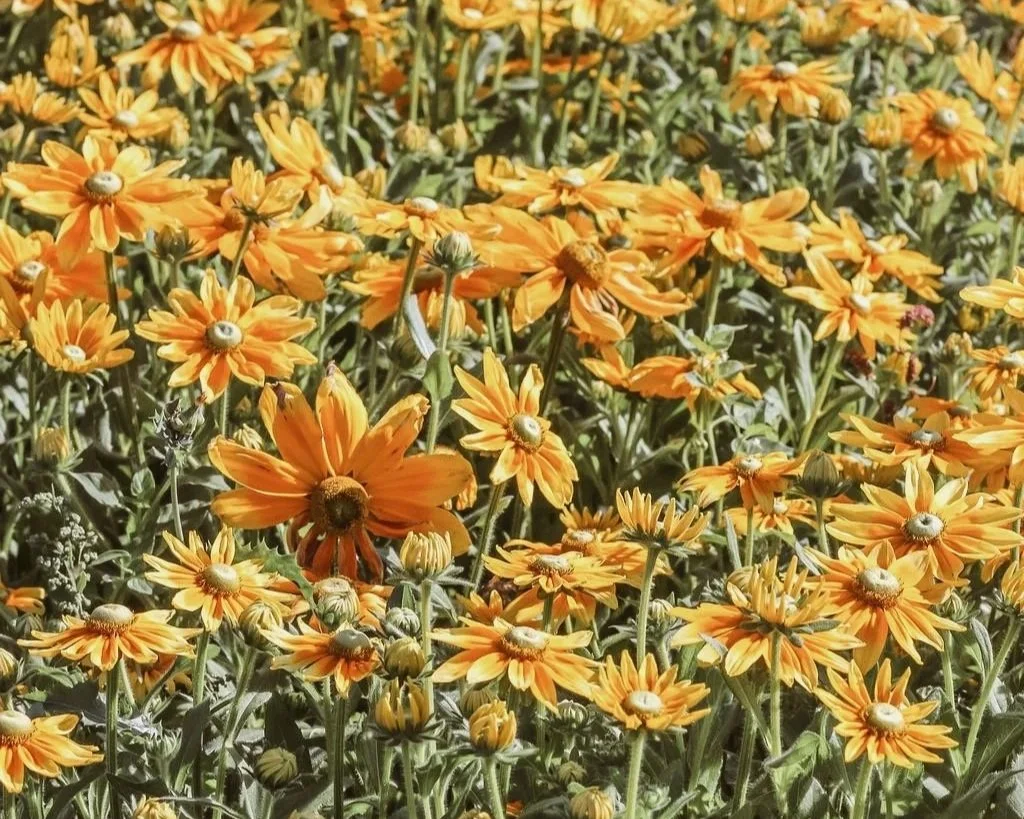

4 reasons to love gardening for your mental health
It is so easy to view gardening as a chore or another thing to tick off the to-do list. In this article I'm sharing some of the reasons why gardening is so good for your mental health and position it as the way to lower your stress levels, release some of the pressure you are under and avoid burnout.
1. Gardening lowers your stress levels
The reason gardening and horticultural therapy specifically is so good for lowering your stress levels is because it helps you complete the stress cycle.
Every day stressful things happen and most of us shove them deep down inside, carry on with our day and try and forget about them. But no matter how much you try, that stress sits festering inside of you and raises your stress levels.
Getting out in your garden, and practicing some horticultural therapy exercises even for 20 minutes can help complete the stress cycle and get the day’s stresses out of your system.
2. Helps quiet your mind
Whether you have a neurodivergent brain like me or you are just juggling a lot, it can feel like you’re drowning in the noise.
Daily time in your garden helps you to turn the dial down on the noise in your head and give you some much needed peace and quiet.
The repetitive actions of gardening help you to quickly get into the flow state where your brain can find some silence.
3. You create a beautiful space that holds you
As women we are under so much pressure juggling all the things. We’re often caring for kids or elderly parents, working to pay the bills, trying to cook and eat nutritious food, get your 2L of water in each day, move your body to get strong AND carve out just a little bit of time for you every day.
It’s exhausting and it’s time to create a space that holds you so you don’t have to hold it all alone anymore.
Your garden gets to be your sanctuary.
And the best bit is that because it’s right on your doorstep you don’t need to book into a yoga class or a therapy session to feel held, you can access it whenever you need to.
4. Helps you grow your self worth
Whether you’ve been knocked by redundancy, the constant judgement from others in motherhood, divorce or separation, workplace bullying or just life, your self worth takes a battering.
Growing beautiful flowers to bring you joy and delicious food to feed yourself and your family will help you improve your self worth, self confidence and begin to trust in yourself and your abilities again.
If you are ending the day feeling tired but wired, like nothing is going right and with a head that feels like it's about to explode, first know that you are not alone and secondly know that horticultural therapy can help you.
The way to think about your garden is not another thing to beat yourself up over because you haven't ‘sorted it out’ but that it gets to be your therapy space, a place where you can finally exhale and let all of the stresses of the day out into the soil.
Kendall Marie Platt is a Horticultural therapist & space holder for garden curious women. She is the founder of Adventures with Flowers and helps women create beautiful gardens in small pockets of time. She does this through 1:1 work and her membership the Seed, where she hosts regular garden-along sessions to help attendees quiet their minds as they take action in their garden.
Kendall is a writer, speaker and facilitator who has spoken at events and for organisations on the topic of using horticultural therapy to reduce stress and avoid burnout as well as hosting hands-on horticultural therapy workshops in corporate and event settings.
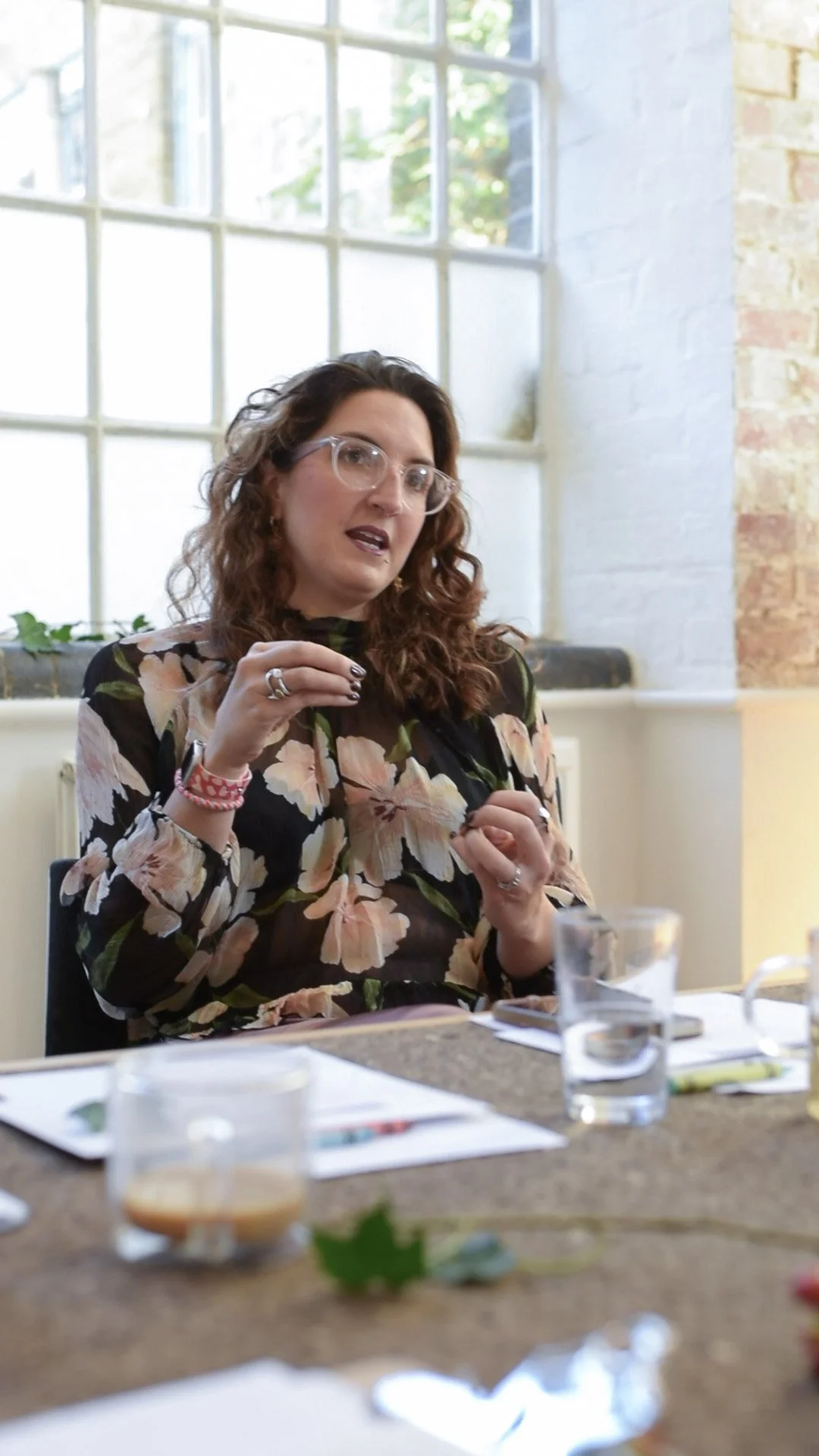
Kendall Marie Platt during the heiter “Homecoming in Winter” event in London last year. Image by Özge of @lens.and.she
We wanted to get to know Kendall and her work a bit better. This is why we sat down with her for a little interview. Our conversation is now ready for you to read here:
heiter: Can you take us back to the beginning of your gardening journey? What first drew you to working with nature, and how did it evolve into the work you do today?
Kendall: I started gardening because I had a garden that needed doing. It was during a very stressful time of my life but I didn't view it as something that would help me, I just saw it as another thing on the to-do list. But once I started gardening, I realised it was the first time in my life that my brain had been quiet. The noise had been turned down on my inner (often very negative) narrative. It was heaven.
I knew there must be other women out there who felt the same as I did and that gardening could help them, so I started running workshops and then eventually added 1:1 horticultural therapy work and an online membership.
heiter: Your work beautifully connects gardening with emotional wellbeing. For someone who might be struggling with their mental health, how can being in the garden support them in a gentle and accessible way?
Kendall: Sometimes it isn't even about doing anything in the garden. Simply sitting with the sun on your face and noticing the growth happening around you can connect you with a sense of hope and joy. We are often so busy that we don’t have the time to stop and notice. Often once we stop, difficult emotions can come up for us and I teach my clients horticultural therapy activities to help them process those emotions so that they can move forward.
heiter: For those who feel overwhelmed, exhausted, or unsure where to begin, what’s a simple first step they can take to start gardening without it feeling like another thing on their to-do list?
Kendall: Create yourself some gorgeous pots to sit either side of your front door. They will raise your mood and boost your energy every time you come in or out of the front door. Starting with one small project first and showing yourself that you can do this gardening thing will give you a big dopamine hit and allow you to grow your confidence. Be really present while you’re gardening and soon your brain will come to view gardening as an enjoyable pastime rather than a chore.
heiter: At heiter, we often talk about finding small moments of joy in everyday life. What does a mindful moment in your garden look like for you, and how can others begin to create that for themselves?
Kendall: I love checking my seedlings. Really being present and engaging my sense of sight as I look for those little green shoots. Buy yourself some pots, compost and a packet of seeds, cosmos are a really pretty, easy to grow flower, and sow some seeds for yourself. Engage your senses as you check in on them daily while you’re waiting for the kettle to boil. Plunge your finger into the soil to see if they need water (if it feels wet they don’t, if it feels dry they do) and very quickly you will start to see the seedlings emerging.
heiter: For readers who feel drawn to your approach, how can they work with you, and what kind of transformation or feeling do you hope they walk away with?
Kendall: I work with people online offering both 1:1 horticultural therapy support and group support through my horticultural therapy membership. After we’ve finished working together they will have a garden sanctuary that holds them through life's ups and downs so that they don’t have to hold it all alone. They’ll feel calmer, more confident, and have more energy because they’ll be taking 20 minutes in the garden for themselves every day.